Voice Lessons for Any Age: Find the Best Voice Coach Near You
Finding the right voice coach can be a transformative experience for individuals of all ages, whether they are aspiring singers, seasoned performers, or simply looking to improve their vocal health. Voice lessons not only enhance singing skills but also build confidence and provide essential techniques for vocal care. This article will guide you through the process of finding a suitable voice coach near you, the criteria to consider when choosing one, and the numerous benefits of vocal coaching for all ages. Additionally, we will explore how personalized instruction can significantly enhance your singing skills and the importance of vocal health in voice lessons.
How Can You Find the Right Voice Coach Near You?

Finding the right voice coach involves several steps to ensure you choose someone who meets your specific needs and goals. Here are some effective strategies to help you in your search:
- Research Local Studios: Start by looking for music studios in your area that offer voice lessons. Many studios have websites that provide information about their instructors and the types of lessons available.
- Check Qualifications: Look for coaches with relevant experience and qualifications. This may include formal education in music, performance experience, or specialized training in vocal techniques.
- Read Reviews: Online reviews and testimonials can provide insight into the experiences of other students. Look for feedback on the coach’s teaching style, effectiveness, and overall student satisfaction.
By following these steps, you can narrow down your options and find a voice coach who aligns with your goals.
What Criteria Should You Use to Choose a Professional Voice Coach?
When selecting a voice coach, consider the following criteria to ensure you make an informed decision:
- Experience and Expertise: Look for a coach with a proven track record in teaching voice lessons. Their experience can greatly influence the quality of instruction you receive.
- Teaching Style: Different coaches have different teaching methods. It’s important to find someone whose style resonates with you and matches your learning preferences.
- Personal Connection: A good rapport with your coach can enhance your learning experience. Consider scheduling a trial lesson to see if you feel comfortable and motivated with their approach.
These criteria will help you find a voice coach who can effectively support your vocal journey.
How to Locate Local and Online Vocal Coaching Options?
In today’s digital age, there are numerous ways to find vocal coaching options, both locally and online. Here are some methods to consider:
- Online Research: Use search engines to find voice coaches in your area or those who offer online lessons. Websites and social media platforms can provide valuable information about their services.
- Flexibility of Online Lessons: Online coaching offers flexibility in scheduling and can connect you with coaches from around the world, expanding your options significantly.
- Word of Mouth Recommendations: Ask friends, family, or fellow musicians for recommendations. Personal referrals can lead you to trusted coaches who have helped others achieve their vocal goals.
By utilizing these methods, you can discover a variety of vocal coaching options that suit your needs.
What Are the Benefits of Vocal Coaching for All Ages?
Vocal coaching offers numerous benefits that can enhance your singing abilities and overall vocal health. Here are some key advantages:
- Personalized Instruction: Tailored lessons address individual strengths and weaknesses, allowing for focused improvement.
- Confidence Building: Regular coaching helps build self-esteem and confidence in your vocal abilities, making performances more enjoyable.
- Expert Guidance: Coaches provide valuable feedback and techniques that can accelerate your learning process and improve your vocal skills.
| Benefit | Description | Impact Level |
|---|---|---|
| Personalized Instruction | Tailored lessons for individual needs | High |
| Confidence Building | Enhances self-esteem and performance enjoyment | High |
| Expert Guidance | Accelerates learning with professional feedback | Medium |
The advantages of vocal coaching are clear, making it a worthwhile investment for anyone looking to improve their singing.
How Does Personalized Instruction Enhance Your Singing Skills?
Personalized instruction is a cornerstone of effective vocal coaching. It allows for a focused approach that addresses specific areas of improvement. Coaches can tailor lessons to enhance vocal technique, expand vocal range, and build confidence. This individualized attention ensures that students receive the guidance they need to progress at their own pace.
Moreover, personalized instruction fosters a deeper understanding of vocal health, enabling students to develop sustainable singing habits. This approach not only enhances performance but also promotes long-term vocal wellness.
Indeed, studies underscore the importance of innovative strategies and personalized techniques in vocal instruction to enhance student performance and foster a comprehensive learning environment.
Innovative Vocal Instruction & Personalized Techniques
This study presents a systematic approach to developing innovative strategies for vocal instruction in higher education, focusing on enhancing student performance. Using Huaiyin Normal University as a case study, the research examines current vocal instruction practices within its Music Department, identifying both strengths and areas needing improvement. The study first provides an overview of traditional and contemporary pedagogical approaches, highlighting the importance of student-centered learning and the integration of technology in music education. Data were collected through interviews with vocal instructors and surveys with students to analyze the effectiveness of existing methods and the feedback from those directly involved. Key findings reveal a need for greater incorporation of collaborative learning, multicultural repertoires, and personalized vocal techniques to foster a more engaging and comprehensive learning environment.
A systematic approach to innovative strategies for vocal instruction in higher education: Enhancing student performance, 2024
Why Is Vocal Health Important in Voice Lessons?
Vocal health is crucial for anyone engaging in singing or speaking regularly. Maintaining healthy vocal cords and practicing good vocal hygiene can prevent strain and injury. Here are some reasons why vocal health should be prioritized in voice lessons:
- Healthy Vocal Practices: Coaches teach techniques that protect the vocal cords, such as proper breathing and warm-up exercises.
- Improving Range: Understanding vocal health can help singers expand their range safely and effectively.
- Longevity in Singing: Good vocal health practices contribute to a longer, more sustainable singing career.
By focusing on vocal health, students can enjoy a more fulfilling and injury-free singing experience.
Further emphasizing the comprehensive nature of vocal care, research highlights the benefits of a holistic approach to voice therapy for overall vocal wellness.
Holistic Voice Therapy for Vocal Wellness & Enhancement
Therapy approaches designed to improve the disordered voice may be equally effective when used to enhance the normal voice. A holistic approach to voice therapy is based on a continuum of voice wellness from the disordered voice to the elite voice of the healthy performer. Individuals take charge of the wellness of their voices by following good principles of vocal hygiene and exercising the vocal mechanism in a healthful manner. All voices may be improved on this continuum toward the ideal.
A holistic approach to voice therapy, 2005
How Can Vocal Health and Massage Therapy Support Your Singing Journey?
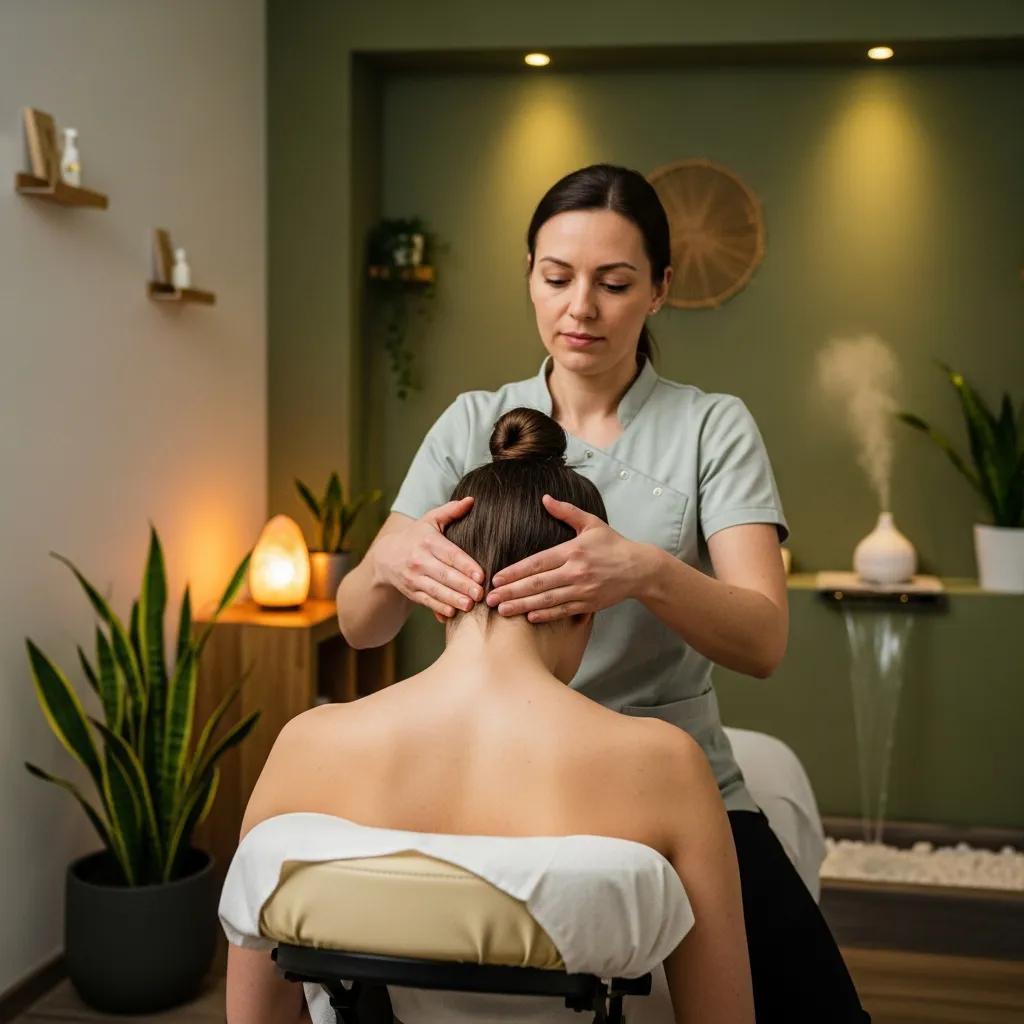
Integrating massage therapy into your vocal training can provide additional benefits that enhance vocal health. Here are some ways massage therapy can support your singing journey:
- Tension Relief: Massage can alleviate physical tension in the neck and shoulders, which is beneficial for singers who often hold tension while performing.
- Enhanced Vocal Function: By promoting relaxation, massage therapy can improve vocal function and overall performance.
- Stress Management: Regular massage sessions can help manage stress, allowing singers to focus better during lessons and performances.
Combining vocal coaching with massage therapy creates a holistic approach to vocal health, ensuring that singers are physically and mentally prepared for their craft.
What Vocal Health Tips Improve Performance and Prevent Injury?
Maintaining vocal health is essential for optimal performance. Here are some practical tips to help improve your vocal health and prevent injury:
- Warm Up Properly: Always start with vocal warm-ups to prepare your voice for singing.
- Stay Hydrated: Drink plenty of water to keep your vocal cords lubricated and functioning well.
- Consult a Vocal Coach: Regular sessions with a qualified coach can help identify and correct any harmful vocal habits.
Implementing these tips can significantly enhance your vocal performance and longevity.
How Does Massage Therapy Complement Vocal Coaching?
Massage therapy can be a valuable complement to vocal coaching by addressing physical aspects of vocal health. Here’s how it works:
- Vocal Health Maintenance: Regular massage can help maintain vocal health by reducing tension and promoting relaxation.
- Physical Release: It aids in releasing physical tension that may affect vocal performance, allowing for freer vocal expression.
- Long-Term Sustainability: By incorporating massage therapy, singers can ensure their vocal health is supported over the long term, leading to a more sustainable singing career.
This integration of massage therapy into vocal training can enhance overall performance and well-being.
What Should Adults Expect from Singing Lessons and Vocal Coaching?
Adults seeking singing lessons can expect a supportive and enriching environment that fosters growth. Here are some key aspects to anticipate:
- Strong Foundation in Vocal Technique: Lessons will focus on building a solid foundation in vocal techniques that are essential for effective singing.
- Expanded Repertoire: Adults can explore a variety of musical styles and genres, broadening their musical horizons.
- Building Confidence: Coaching will help adults gain confidence in their abilities, making performances more enjoyable and less intimidating.
These expectations set the stage for a rewarding vocal journey for adult learners.
How Do Singing Lessons for Adults Differ from Other Age Groups?
Singing lessons for adults often differ from those for younger students in several ways:
- Tailored Approaches: Adult lessons are typically more tailored to individual goals and experiences, allowing for a more personalized learning experience.
- Focus on Specific Goals: Adults may have specific performance goals, such as preparing for auditions or improving vocal health, which can shape lesson content.
- Flexibility in Scheduling: Adult learners often require more flexible scheduling options, which many coaches accommodate.
These differences highlight the unique needs of adult learners in vocal coaching.
This focus on individualized learning for adults is further supported by contemporary research exploring diversified teaching approaches tailored to their unique characteristics and demands.
Personalized Vocal Coaching for Adult Learners
Since the dawn of the new century, adult vocal education has witnessed a surge in personalized and diversified learning needs. The traditional one-on-one master-apprentice model has become increasingly inadequate for adult learners’ unique characteristics and educational demands. This study examines the current state of adult vocal pedagogy by analyzing its distinctive features and integrating contemporary educational philosophies with technological advancements. It explores theoretical foundations for diversified teaching approaches, with particular emphasis on contextualized instruction, project-based learning, differentiated instruction, and blended online-offline pedagogy. The paper proposes actionable strategies to ensure the effective implementation of these models, offering practical insights to enhance teaching quality and foster sustainable development in adult vocal education.
A Preliminary Study on the Diversified Application of Adult Vocal Teaching Mode in the New Century, 2025
What Are Effective Techniques for Adult Vocal Training?
Effective vocal training techniques for adults can enhance their singing abilities and overall vocal health. Here are some key techniques to consider:
- Vocal Warm-Ups: Incorporating specific warm-up exercises can prepare the voice for singing and prevent strain.
- Posture and Alignment: Maintaining proper posture is crucial for optimal vocal production and breath support.
- Consulting a Vocal Coach: Regular sessions with a qualified coach can provide personalized feedback and guidance tailored to adult learners.
These techniques can significantly improve vocal performance and health for adult singers.